





Porcelain Veneers in San Diego, La Jolla, and Clairemont
Enhance your smile with natural, long-lasting results. Our cosmetic veneers clinic in San Diego corrects imperfections such as chips, stains, worn edges, gaps between teeth, and uneven tooth shapes, while maintaining a completely natural look with a beautifully crafted design. Wondering exactly what dental veneers are used for? Our guide breaks down the most common reasons patients choose them.
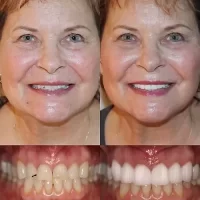
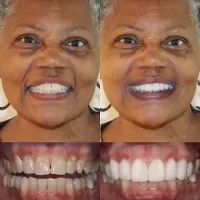
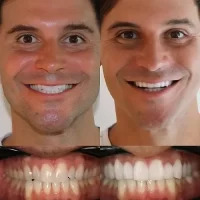
What are Porcelain Veneers?
Porcelain veneers are ultra-thin, custom-made shells that are securely bonded to the front surfaces of your teeth. This cosmetic dental treatment is perfect for anyone looking for a fast, dramatic, and long-lasting smile makeover.
Veneers provide a natural, stain-resistant and beautifully crafted result that goes far beyond covering surface discoloration.
Unlike teeth whitening, which only targets superficial stains, porcelain veneers offer a complete solution for reshaping teeth, correcting size, and eliminating deep, persistent discoloration. They are ideal for fixing chipped, stained, or uneven teeth, giving you a flawless smile that looks completely natural.
Are You a Good Candidate for Veneers in San Diego?
Dental veneers are ideal for anyone looking to improve the appearance of chipped, stained, or uneven teeth. Candidates should have healthy teeth and gums to ensure long lasting results.
Correcting Imperfections
Instantly fix chips, cracks, and uneven shapes.
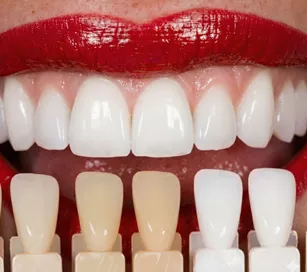
Achieving Uniformity
Instantly repairs chips, cracks, or worn-down edges.
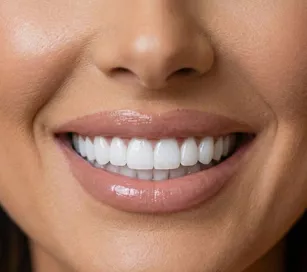
Concealing Discoloration
Permanently hides deep stains resistant to whitening.
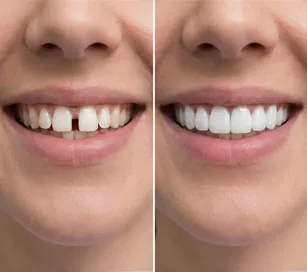
Closing Gaps
Eliminates unwanted spaces for a seamless finish.
Porcelain Veneers vs. Composite
Porcelain Veneers
The Long-Term Investment
This method offers the closest resemblance to natural tooth enamel. When properly maintained, porcelain veneers provide exceptional durability and long-lasting beauty.
- Exceptional Longevity : With proper care, expect 10 to 15+ years of durability and brilliance.
- Stain-Resistant : Their non-porous surface means coffee, tea, and wine will not discolor them over time.
- Easy Maintenance : Due to higher vulnerability and potential staining from dark beverages, they require periodic polishing and professional maintenance.
Composite
A Quick and Affordable Alternative
A smart choice for a rapid smile transformation. Composite veneers allow you to achieve a brand-new look in just a single visit.
- Budget-Friendly : The upfront cost is significantly lower than that of porcelain veneers.
- Lifespan : On average, composite veneers last between 5 to 7 years.
- Reversible : This procedure typically requires little to no removal of your natural tooth enamel.
- Maintenance Note : Due to higher vulnerability and potential staining from dark beverages, they require periodic polishing and professional maintenance.
The pinnacle of smile beauty with permanent veneers San Diego
Permanent veneers are an ideal solution in cosmetic dentistry for anyone looking to achieve a beautiful, natural smile without making extensive changes to their natural teeth. This method involves minimal tooth preparation while providing durable, long-lasting, and high-quality results.
With permanent veneers, imperfections such as chips, stains, or uneven teeth can be effectively corrected while preserving the original tooth structure. This cosmetic dentistry treatment not only enhances the appearance and alignment of your teeth but also creates a natural, lasting smile that is virtually indistinguishable from your real teeth.
Pros and Cons of Veneer
Pros
- Natural Appearance: Custom-designed to match your facial features, these veneers blend flawlessly and are virtually indistinguishable from your natural teeth.
- Durable and long-lasting : High-quality porcelain offers excellent strength and stability.
- Color stability : Veneers resist staining and maintain their brightness over time.
- Immediate improvement : Refines tooth size, proportion, and contour with minimal preparation.
- Comfortable feel : Once bonded, veneers feel smooth and function like natural enamel.
Cons
- Irreversible preparation : A thin layer of enamel must be reshaped, making the procedure permanent.
- Not ideal for significant alignment issues : Some patients may need orthodontic treatment first.
- Potential wear : Teeth grinding or biting hard objects can reduce longevity.
How Long Do Veneers Last?
Porcelain veneers keep your smile flawless for at least 10 to 15 years and with proper care, even for several decades. These veneers are durable enough for your everyday meals and, unlike natural enamel, they are completely resistant to decay and discoloration.
With proper care, porcelain veneers offer a lasting, radiant smile. However, like natural teeth, they can chip under extreme pressure. Over time, weakened bonding or micro-cracks may necessitate replacement. At that stage, we evaluate the underlying tooth and apply fresh veneers to restore your perfect smile. Curious whether veneers can actually damage your natural teeth? Our guide on can veneers damage teeth explains what’s involved and how to protect your smile long-term.
Special Offer on Veneers in San Diego
We believe a radiant, confident smile should be within everyone’s reach. At Soft Touch Dental, we’ve made premium porcelain veneers more accessible by offering an exclusive $3,000 discount on your set of 6 veneers. To ensure your transformation is stress-free, we also provide flexible financing plans, allowing you to invest in a flawless look with easy, manageable payments that fit your budget.
Our Smile Design Journey
at Soft Touch Dental
Achieving your dream smile with Dental Veneers in San Diego is a collaborative and exciting process. We involve you in every step to ensure the final result is exactly what you envision.
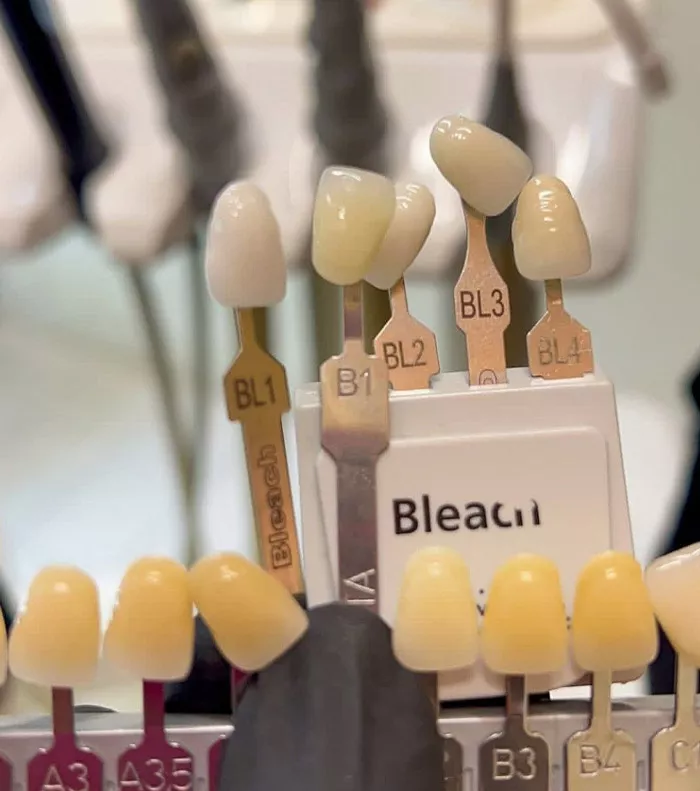
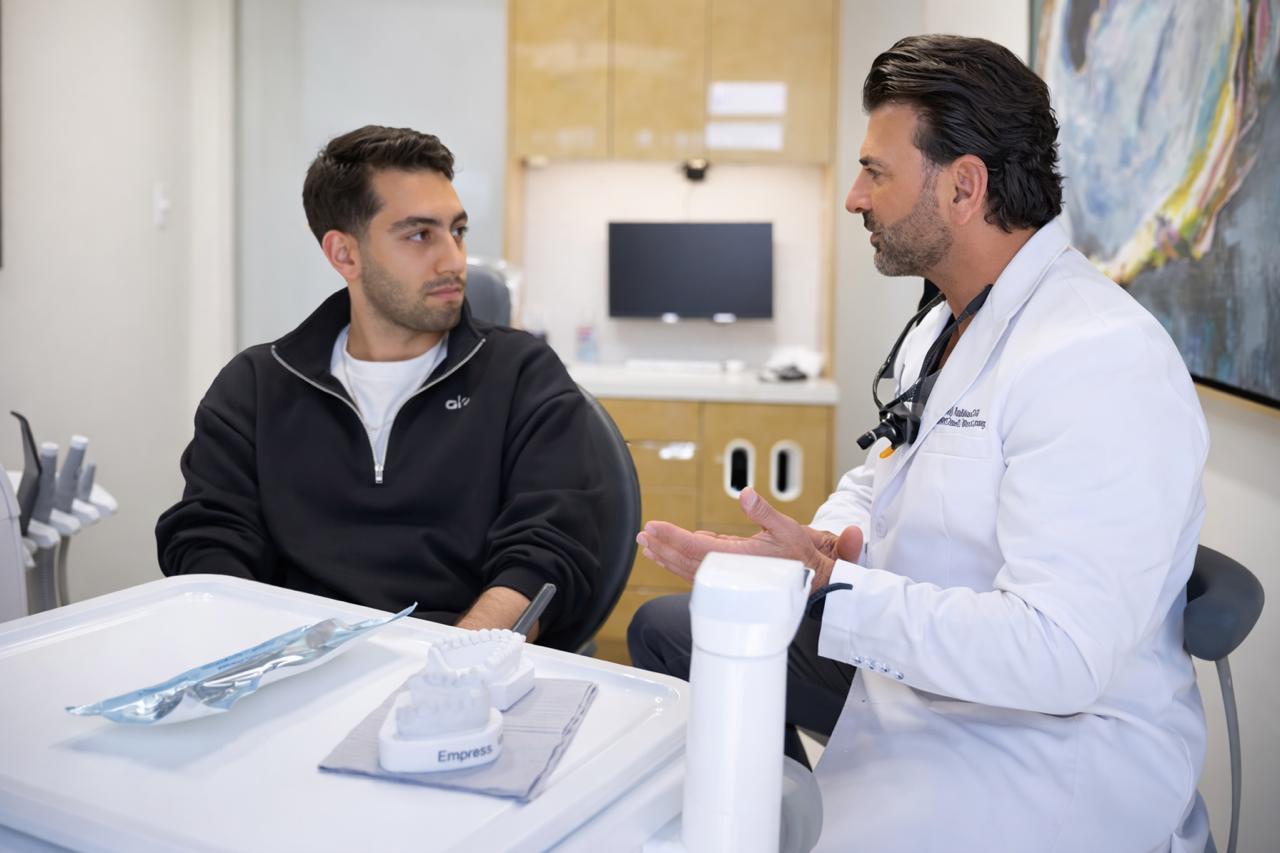
Consultation & Digital Impressions
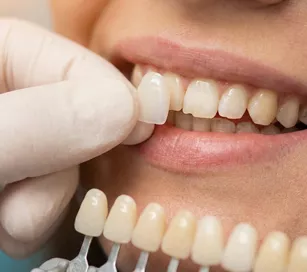
Your journey begins with selecting the ideal veneer shade to perfectly complement your natural features and goals. We then use advanced digital scanning to take precise impressions of your teeth, ensuring we reach the final, perfect design for your new smile.
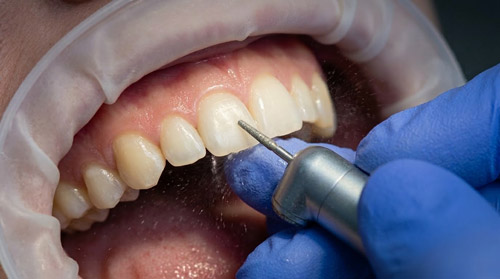
Tooth Preparation & Buffing
To ensure a perfect, flush fit, a very thin layer of enamel is gently buffed away. This prepares the front surface of your teeth, making room for the veneers to look and feel completely natural.
Professional Bonding & Light Curing
We meticulously apply dental cement to bond the veneers to your teeth. A specialized curing light is then used to instantly harden the bond, ensuring your new smile is securely and permanently in place.
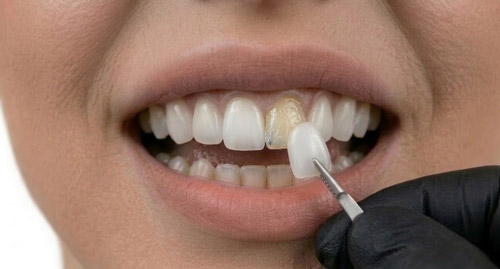
The Smile Zone Transformation
By addressing your entire "smile zone" at once, we transform the shape and color of your teeth. You’ll walk out with a radiant, confident smile that can often replace the need for whitening or braces.

Our Portfolio Speaks for Itself
Types of Dental Veneers
When choosing the type of veneer, factors such as the condition of your teeth, budget, aesthetic expectations, the extent of correction needed, and the dentist's professional recommendation play a decisive role. In general, dental veneers are divided into several main types:
1. Porcelain Veneers (Ceramic Veneers)
Porcelain veneers, also known as ceramic laminates, are made from durable and highly natural-looking ceramic material. These veneers are custom-designed and fabricated in a dental laboratory and then bonded to the teeth.
Features:
Highly natural and translucent appearance, similar to tooth enamel
Strong resistance to staining and discoloration
Long-lasting durability (typically 10 to 15 years or more with proper care)
Requires minimal tooth preparation (slight enamel reduction)
2. Composite Veneers
Composite veneers are made from tooth-colored resin material and are usually sculpted directly onto the teeth in a single visit by the dentist.
Features:
More affordable than porcelain veneers
Completed in one appointment
Easier to repair if damaged
More prone to staining over time
Shorter lifespan compared to porcelain veneers (approximately 5 to 7 years)
3. Lumineers (No-Prep or Minimal-Prep Veneers)
Lumineers are ultra-thin veneers that, in some cases, can be placed with little to no tooth reduction.
Features:
Minimal or no tooth preparation required
Extremely thin design
Potentially reversible in certain cases
Suitable for minor cosmetic enhancements
4. Temporary and Permanent Veneers
During the porcelain veneer process, temporary veneers are typically placed while the final restorations are being fabricated. Permanent veneers are the final restorations that are securely bonded to the teeth for long-term use.
Ultra-Thin Porcelain Veneers
Minimal prep porcelain veneers offer a modern way to enhance the smile while preserving more of the natural tooth structure. Unlike traditional veneers that may require a greater amount of enamel removal, minimal prep veneers are designed to fit with little to no aggressive reshaping of the teeth. These ultra-thin porcelain shells can improve the appearance of discoloration, uneven spacing, worn enamel, small chips, and mildly misaligned teeth while maintaining a natural look and feel.
Benefits of Porcelain Veneers
The primary advantages of cosmetic veneers include the immediate correction of severe discoloration, closing gaps, repairing chips, and creating perfect smile symmetry. Due to their high durability, stain resistance, and lifelike appearance, veneers allow patients to achieve their ideal smile design in the shortest time possible while significantly restoring their self-confidence. Here is a closer look at the specific benefits of this technique:
Comprehensive Correction of Dental Imperfections: One of the greatest strengths of dental veneers is their ability to address multiple issues simultaneously. If your teeth suffer from a combination of wear, yellowing, and minor misalignment, you don't need a series of different treatments; veneers provide a comprehensive solution in a single, streamlined process.
A Seamlessly Natural and Translucent Appearance: Modern porcelain veneer technology has advanced to the point where the material mimics the light-reflecting properties of natural tooth enamel perfectly. This level of craftsmanship ensures that even under direct lighting, your veneers remain indistinguishable from your natural teeth.
Superior Stain Resistance: Unlike natural teeth, which can quickly become dull or stained from coffee, tea, and tobacco, porcelain veneers are highly resistant to discoloration. This allows you to maintain a bright, radiant smile for many years to come with minimal effort.
Caring for Your Dental Veneers in San Diego
Proper care is essential to preserve the appearance and extend the lifespan of your cosmetic veneers. While porcelain (laminate) and composite veneers are designed for high strength and durability, your daily habits play a vital role in maintaining their health and quality.
Daily Hygiene: Patients are advised to brush at least twice a day using a soft-bristle toothbrush and non-abrasive toothpaste. Gently flossing once a day helps protect the gum line and prevents plaque buildup around the veneers. Consistent oral hygiene not only protects your veneers but also ensures the overall health of your teeth.
Behavioral Adjustments: Avoiding habits such as biting hard objects, chewing ice, or using your teeth as tools (e.g., to open packaging) is strongly recommended. Although porcelain veneers are highly resilient, excessive and sudden pressure can lead to chipping or damage over time.
Dietary Choices: Limiting the consumption of foods and beverages that cause staining—such as coffee, red wine, and soda—helps maintain the radiance of your smile. This is particularly important for individuals with composite veneers, which are more porous than porcelain.
Routine Checkups: Regular dental visits are equally important. Periodic examinations and professional cleanings allow your dentist to monitor the condition of the veneers and address any potential issues in their early stages.
How to Prepare Teeth for Veneers
In many cases, only a minimal amount of enamel is gently reshaped to ensure a secure and natural fit. The advanced materials used in modern veneers allow for ultra-thin designs that blend seamlessly with your existing teeth, significantly reducing the need for extensive preparation. This is done to prevent the teeth from appearing bulky, to create a proper surface for strong bonding, to ensure a more natural-looking result, and to achieve better harmony with the surrounding teeth.
How Many Veneers Do You Need?
The number of veneers you need depends on the width of your smile, how many teeth are visible when you speak or smile, and the final look you want to achieve with your smile makeover. In many cases, 4 to 6 veneers are enough to correct minor chips, discoloration, or improve the shape of the front teeth. However, if your goal is to achieve a fuller, more symmetrical Hollywood-style smile, 8 to 10 veneers are usually recommended to cover the entire visible smile zone. At Soft Touch Dental, our veneer specialist also evaluates factors such as your facial structure, jaw arch, smile line, and tooth proportions to ensure your veneers look natural and balanced.
Do Porcelain Veneers Hurt?
Getting porcelain veneers is generally not painful, as local anesthesia is used during the tooth preparation process to keep patients comfortable throughout the procedure. Since veneers are considered a minimally invasive cosmetic treatment, only a very thin layer of enamel is removed to ensure a precise and natural fit. After the veneers are placed, some patients may experience mild temporary sensitivity to hot or cold foods and drinks, or slight discomfort when biting, especially during the first few days. The level of sensitivity can also vary depending on the condition of the natural teeth, enamel thickness, and the number of veneers being placed. using sensitivity toothpaste, and avoiding very hard foods initially can help reduce discomfort quickly.
Veneers San Diego Cost
The cost of veneers in San Diego is an important part of planning your smile transformation. Prices can vary depending on factors such as the type of material used (porcelain or composite), the number of teeth being treated, the complexity of the case, and the expertise of the cosmetic dentist. While veneers are an investment, many patients find the long-term durability, natural appearance, and boost in confidence well worth it. Choosing a reputable provider in San Diego ensures you benefit from high-quality materials and results designed to last for years.
Veneers Specialist in San Diego, CA
If you're looking for a stunning, long-lasting smile, veneers in San Diego, CA offer an excellent solution. At Soft Touch Dental, our veneers specialists create custom solutions that cover imperfections such as discoloration, chips, gaps, or slightly misaligned teeth, giving you a natural, polished appearance. With options like porcelain or composite veneers, our patients in San Diego can achieve a smile tailored to their facial features and lifestyle. Choosing Soft Touch Dental ensures high-quality materials, precise application, and results designed to last for years, making veneers a smart investment in both aesthetics and confidence.

Meet Dr. Ali Fakhimi
Patients travel from across California to work with Dr. Fakhimi He is easy to talk to, pays close attention to detail, and consistently delivers great results.

Dental Financing Calculator
Here is why
we are #1 in SD
Frequently Asked Question
Still have a question? Call us — we’re happy to help.
Ready to get started?
Book online in under a minute, or call and we’ll find a time that fits.
Book Appointment(858) 274-8200How long do veneers last?
With proper care and maintenance, porcelain veneers can last 10–15 years or longer. Although they need replacement over time, veneers are considered a permanent treatment because a small amount of enamel is permanently removed during the procedure.
What is the difference between a veneer and a dental crown?
A veneer is a thin shell that only covers the front surface of the tooth, used mainly for cosmetic purposes. A dental crown completely covers the entire tooth and is used to restore both strength and aesthetics.
How do I care for my veneers?
Caring for your veneers is easy. You should brush and floss just as you would with your natural teeth and continue to schedule regular checkups and cleanings.
Are veneers reversible?
No. Because a small amount of enamel is removed during the preparation process, the procedure is considered permanent.
Do porcelain veneers look natural?
Yes, high-quality porcelain veneers are designed to mimic the translucency, color, and texture of natural teeth, creating a realistic and aesthetically balanced smile.
How many veneers do I need for a full smile?
Most patients need between 8 and 10 veneers for a complete smile makeover, depending on smile width, tooth visibility, and overall cosmetic goals.
Do veneers hurt during or after the procedure?
The veneer procedure is generally comfortable due to local anesthesia, although some patients may experience mild temporary sensitivity after treatment.
Can I eat normally with veneers?
Yes, once your veneers are fully bonded, you can eat most foods normally; however, avoiding extremely hard foods helps protect them from unnecessary damage.
Can veneers ruin natural teeth?
Porcelain veneers are a safe and minimally invasive treatment when performed correctly, and they do not ruin healthy teeth if proper preparation and long-term dental care are maintained.
Are You a Candidate for Veneers?
If you are looking to correct permanent discoloration, minor gaps, or chipped teeth, porcelain veneers may be your perfect solution. At Soft Touch Dental, we specialize in creating radiant, natural-looking transformations tailored to your unique facial features. Don’t wait to achieve the confidence you deserve, schedule your consultation in San Diego today to experience our advanced digital smile design and discover your perfect shade.